Category: Uncategorized

  • Mariah Moss Actress Clips Overview Now Streaming Free

    The Chinese-Grown Format Puts Out a Korean Offshoot

    The vertical drama did not start in Seoul. The format traces its shape to the Chinese duanju scene, which means 9:16 video cut for a phone held in one hand, one to two minutes an episode, and twenty to a hundred per title. In 2020, China’s broadcast regulator formally recognized the genre, and what followed was the export wave, borne along by apps marketing weekly passes worldwide. Korean production arrived later, and from a different direction, which is exactly what makes it worth following. The Mariah Moss actress easiest way to define a Korean short drama is by what it is not: not a Chinese series with a new voice track, but one written, cast and shot for a Korean audience first. The distinction reads as academic until you start reading an app’s listings, where the two kinds sit side by side with nothing on the thumbnail to tell them apart.

    Homegrown Original or Dubbed Adaptation

    Jiuzhou Culture provides the clearest documented picture of that split, one of the Chinese studios that went hardest at overseas markets. In a January 2024 account of its output, the company had produced more than six hundred mini-dramas for audiences abroad. Roughly eighty percent of them were dubbed adaptations of Chinese series and about twenty percent were originals produced overseas. The same account costed a seventy-episode series at one hundred thousand to one hundred fifty thousand dollars to make. Put those numbers together and the economics are plain: dubbing an existing library is far cheaper than commissioning a new one, so dubs win out by default. Korean originals sit in that smaller second slice, which is part of the reason there are fewer of them than a casual scroll through an app might suggest.

    He Took a Mistress I Took the Sky

    The better documented of the two Korean titles here is this one, and it comes with a Korean title next to the English one. The GoodShort title is He Took a Mistress I Took the Sky, while the Korean one is 플라이 어게인, which is rendered as “Fly Again”. The GoodShort listing gives it 62 episodes. Squarely in the revenge-and-second-chance school is where the premise sits: Ji-young gave up her dream of flying as a pilot for her husband, discovers him cheating on their seventh anniversary, dies in a plane crash, then wakes before the tragedy and takes the sky back. In the leads, TMDB credits Park Xi-yeon and Han Gi-chan, and it records a first air date of March 27, 2026. That combination, a Korean original title with a named Korean cast and a spring 2026 air date, marks it as a Korean production rather than a redubbed import.

    Quiet in the Office!

    The second title takes a different route to the same audience. Quiet in the Office! is on the record as a Korean original for the platform Vigloo, where it premiered in February 2026, and it also appears on GoodShort with 58 episodes. It did not begin as a screenplay: the series is drawn from a web novel and a webtoon, a pipeline that Korean publishing has long used to feed television. Overworked editorial designer Kim Na-yul and her abrasive, workaholic boss Kwon Si-jin carry the story, with Yulhee and Lee Jae-bin in the leads. It is rated 19+, the Korean adults-only classification, worth knowing before opening it in a shared room; the rating is a fact about the listing, not a cue to describe its contents. What matters here is the production chain: Korean source material, Korean cast, Korean platform.

    Side by Side: The Two Titles

    Laying them out in a grid makes the shape of the evidence visible. Both are Korean-language productions with named Korean leads. Both sit close to sixty episodes, which is unremarkable for the format and tells you nothing special about their origin. Both are carried by GoodShort in English-speaking markets, which is how most readers outside Korea will encounter them. The differences appear in the last column, where the documentation varies: one comes with a Korean original title and a database air date, while the other comes with a home platform, a premiere month and a source webtoon. Neither one has a viewership figure of the kind that would let anyone rank them, and so none is given here.

    Title Home platform Episode count What happens Confirmed details
    He Took a Mistress I Took the Sky (플라이 어게인 / “Fly Again”) GoodShort 62 Ji-young trades a pilot’s career for her marriage, is betrayed, dies, then wakes before the crash to take the sky back Korean original title; GoodShort lists 62 episodes; Park Xi-yeon and Han Gi-chan per TMDB; first aired March 27, 2026
    Quiet in the Office! Vigloo original, carried on GoodShort too 58 episodes on GoodShort Office romance: editorial designer Kim Na-yul clashes with her workaholic boss Kwon Si-jin Korean original made for Vigloo; premiered February 2026; adapted from a web novel and webtoon; Yulhee and Lee Jae-bin; rated 19+

    The Platforms Carrying Them

    The common address is GoodShort, and it is a bigger operation than its profile in the West suggests. The App Store seller is Singapore New Reading Technology, the Google Play developer name is GoodNovel, and both listings give the launch as June 12, 2023. Google Play reports more than fifty million installs, while Media Partners Asia estimates its share of the microdrama market outside China at about six percent. Pricing tracks the category norm: weekly VIP tiers from about $5.99 to $19.99 in the US App Store as of September 2026, with coin packs running from about $4.99 to $24.99, all of it varying by country and subject to change. Our sources show Vigloo only as the Korean platform where Quiet in the Office! premiered in February 2026, and guesses about its size or catalogue would be padding. Compare these dramas online and you will also notice third-party listing sites frequently disagreeing with official app pages on episode counts, which makes the app page the number to trust.

    What the Words “Korean Original” Really Tell You

    The label helps, but it is narrower than it sounds. It tells you where a series was commissioned and in what language it was performed, and very little about its budget, its ambition or its quality. The category’s production math stays tight: the seventy-episode Chinese figure above stands next to Western vertical shoots reported at one hundred fifty thousand to three hundred thousand dollars, generally shot across eight to ten days. The record puts no budget figure on either Korean title, so treat any specific number you come across elsewhere with suspicion. Texture is what the label does reliably predict: local faces, local office and domestic settings, and dialogue written rather than matched to existing mouth movements. For anyone who found dubbed short series distracting, that alone is the reason to seek out originals.

    From K-Drama to This: What Changes

    If your reference point is a Korean drama made for a television slot, the first adjustment is arithmetic. A vertical title at fifty-eight or sixty-two episodes is not a long-running serial; at one to two minutes an episode it is closer to a feature film chopped into thumbnail-sized pieces. Second comes the paywall, because these apps start a series with a handful of free episodes and then charge coins or a weekly pass for everything after, with the cut usually landing on a cliffhanger. The third adjustment is tone, as compression rewards premises grasped in a sentence, which is why a betrayal or an office feud does the work of a slow-burn subplot. Character work happens in shorthand, and the camera stays close because the frame is a phone screen. None of that makes the format lesser, yet it rewards arriving with the right expectations rather than borrowed ones.

    What the Record Does Not Cover

    Honesty about where the evidence ends matters more in this corner of streaming than in most. Our research documents exactly two Korean titles, He Took a Mistress I Took the Sky and Quiet in the Office!, and that is not a survey of Korean vertical production in 2026. Other Korean short dramas are certainly out there in circulation; what we have are two we can point at with named platforms, episode counts, cast credits and dates. Read unsourced lists of “top Korean short dramas” accordingly, above all the ones recycling the same descriptions across a dozen sites. To check a title yourself, look for a Korean original title, a cast credited in a real database, a platform listing with an episode count, and a premiere date more than one source agrees on. When those four line up, what you have is a documented series rather than a rumor.
  • Speed‑Optimised iGaming: Building a Bonus‑Friendly Platform That Loads in a Flash

    In the ultra‑competitive iGaming arena, a player’s first impression is formed in the split second it takes for a lobby to appear. Load times that stretch beyond two seconds trigger impatience, increase bounce rates, and erode trust before any bonus can be displayed. Operators who pair razor‑sharp performance with compelling promotions gain a decisive edge: the moment a welcome offer flashes on the screen, the player already feels the platform is reliable enough to trust the fine print.

    Rapid performance also magnifies the perceived value of bonuses. A 100 % match deposit that arrives instantly feels more generous than the same offer delayed by a laggy UI. Moreover, modern players habitually switch between mobile casino apps, desktop browsers, and even voice‑controlled assistants; each transition must preserve the same sub‑second responsiveness.

    By weaving performance engineering directly into the promotional workflow—right from bonus eligibility checks to real‑time wagering calculators—operators can boost conversion, shorten the deposit‑to‑play funnel, and lower churn. This guide walks through the technical choices, front‑end tricks, and security considerations that let a bonus‑heavy platform load in a flash, while still meeting offshore licensing requirements and UAE‑specific payment‑method expectations.

    1. Understanding the Performance‑Bonus Nexus

    Loading speed is more than a technical metric; it is a behavioral catalyst. When a player lands on a lobby and sees a “First Deposit 200 % up to $500” banner within 800 ms, the brain registers instant gratification, reinforcing the willingness to fund the account. Conversely, a delayed banner creates doubt, prompting the player to seek faster alternatives.

    Psychologically, bonuses tap into the same reward circuitry that fast‑loading games stimulate. The dopamine spike triggered by a visible offer is amplified when the UI responds instantly, turning curiosity into a deposit. Studies of click‑through rates show a 12 % lift when page‑load time drops from three to one second, and the effect is even more pronounced for high‑value promotions.

    Key metrics that illustrate this link include:

    • Time‑to‑First‑Byte (TTFB) for the bonus API call.
    • First Contentful Paint (FCP) of the bonus banner.
    • Conversion Rate from banner view to deposit.

    Tracking these together reveals a clear pattern: lower latency correlates with higher bonus uptake and longer session duration. Operators should therefore treat bonus delivery as a core performance requirement, not an after‑thought marketing add‑on.

    2. Core Architecture Choices for Lightning‑Fast Platforms

    Choosing the right server stack sets the foundation for every millisecond saved. Cloud providers offer auto‑scaling and global reach, but dedicated bare‑metal servers still win on raw I/O for high‑traffic bonus calculations. Containerisation with Docker or Kubernetes isolates the bonus engine, allowing independent scaling without affecting the game servers.

    Database optimisation is equally critical. In‑memory stores such as Redis cache player‑eligibility flags and wagering thresholds, while columnar stores like ClickHouse accelerate aggregation of bonus‑usage statistics. Indexes should be built on player‑ID, bonus‑code, and expiry timestamps to keep real‑time calculations under 30 ms.

    A practical scenario illustrates the synergy: a new player checks the bonus terms on dubai online casino sites while the game assets load, ensuring the offer’s wagering requirements are clear before the first spin. The operator’s backend queries the Redis cache for the player’s eligibility, pulls the latest terms from the relational store, and streams the concise text to the UI—all before the slot reels start spinning.

    Architecture Component Cloud (e.g., AWS) Dedicated Hybrid (Cloud + Edge)
    Latency (avg) 45 ms 30 ms 25 ms
    Auto‑scale granularity per‑service manual per‑region
    Cost (monthly) $12k $9k $10k
    Ideal for Global spikes High‑throughput bonus crunch Mixed traffic

    By aligning the stack with bonus‑engine demands, operators can guarantee that promotional data arrives as fast as the visual assets, keeping the player’s momentum intact.

    3. Front‑End Optimization Strategies

    3.1 Asset Compression and Delivery

    Modern browsers support WebP for image‑rich bonus banners, cutting file size by up to 35 % compared with PNG. Brotli compression on HTML and JSON payloads reduces network payloads, while HTTP/2 server‑push pre‑emptively streams critical CSS for the bonus overlay.

    3.2 Lazy‑Loading Game Interfaces

    Non‑essential UI elements—such as secondary navigation, chat widgets, or promotional carousels—should be deferred until after the bonus banner is rendered. A simple IntersectionObserver can trigger loading of these assets only when the player scrolls past the initial offer, preserving CPU cycles for the core game loop.

    3.3 Responsive Design for Multi‑Device Bonus Visibility

    A responsive grid that reflows the bonus banner into a sticky header on mobile ensures the offer stays visible without forcing a full‑width reload. Media queries should serve reduced‑size WebP assets on tablets and smartphones, while desktop users receive higher‑resolution graphics.

    Quick checklist for front‑end speed:

    • Convert all bonus images to WebP.
    • Enable Brotli on the CDN.
    • Implement lazy‑load for sidebars and chat.
    • Use a sticky, mobile‑friendly bonus bar.

    These steps keep the bonus front‑and‑center while the rest of the page loads in the background, delivering a seamless experience across devices.

    4. Real‑Time Bonus Engine Integration

    An event‑driven architecture is the linchpin of instant bonus triggers. When a player completes a deposit, the payment gateway emits a “deposit‑confirmed” event to a message broker such as Kafka. A dedicated bonus microservice consumes the event, evaluates eligibility rules, and publishes a “bonus‑awarded” event that the UI subscribes to via WebSockets.

    Caching plays a dual role: Redis stores the current bonus catalogue and rule versions, allowing the engine to validate a claim without hitting the relational database. To keep the cache fresh, a background job refreshes rule sets every five minutes, ensuring compliance with offshore licensing updates.

    During peak campaigns—like a 50 % weekend reload—monitoring tools must track latency spikes at each stage: API response time, broker queue depth, and client‑side render lag. Alert thresholds of 150 ms for the bonus‑award API and 300 ms for UI update keep the experience within the sub‑second sweet spot.

    Implementation tip:

    1. Deposit event → Kafka topic.
    2. Bonus service reads, checks Redis cache.
    3. If eligible, writes “bonus‑granted” to Redis and pushes via WebSocket.
    4. UI updates banner instantly.

    By keeping the data path short and cache‑heavy, the engine delivers bonuses faster than the player can finish loading the first reel.

    5. Network Layer Enhancements

    Edge servers sit closer to the player’s ISP, shaving milliseconds off every round‑trip. Deploying a CDN with PoPs in the Middle East, Europe, and Southeast Asia ensures that bonus‑related JSON payloads are served from the nearest node.

    Reducing round‑trip time for verification calls is especially important for UAE players using local payment methods such as mada or PayFort. By routing the verification API through an edge‑located load balancer, the request travels a shorter path, typically under 40 ms, versus 120 ms from a central data centre.

    TLS termination can be a hidden latency sink. Offloading TLS handshake to the edge, while maintaining end‑to‑end encryption with session tickets, keeps security tight without adding noticeable delay. Modern TLS 1.3 reduces handshake steps, delivering sub‑100 ms connection times even on high‑latency links.

    Network checklist:

    • Enable HTTP/3 where supported.
    • Place bonus API endpoints behind edge load balancers.
    • Use TLS 1.3 with session resumption.

    These layers collectively guarantee that a player’s bonus verification feels instantaneous, regardless of geography.

    6. Scalability Planning for Bonus Peaks

    6.1 Auto‑Scaling Policies Tied to Bonus Activation

    When a high‑value welcome bonus launches, traffic can surge 3‑4× within the first hour. Auto‑scaling groups should be configured to trigger on CPU utilisation and on a custom metric: “active‑bonus‑claims.” By monitoring the rate of “bonus‑granted” events, the platform can spin up additional container instances precisely when the bonus engine is under pressure.

    6.2 Load‑Testing Scenarios Focused on Bonus Redemption

    A realistic load test simulates 10 000 concurrent players each attempting to claim a 25 % reload bonus. The script should:

    1. Authenticate via OAuth token.
    2. Send a deposit‑confirmation event.
    3. Request the bonus‑status endpoint.
    4. Validate the response within 200 ms.

    Results guide capacity planning, revealing whether the Redis cache or the Kafka broker becomes the bottleneck. Adjusting partition counts or scaling the cache cluster accordingly prevents the dreaded “bonus‑service unavailable” message during peak periods.

    7. Security Without Sacrificing Speed

    Anti‑fraud controls are mandatory, but they must operate in sub‑second windows. A token‑based system that embeds a cryptographic hash of the player ID, bonus ID, and timestamp allows the server to verify eligibility without a full database lookup. The token is validated locally in the bonus microservice, cutting verification time to under 50 ms.

    Behavioural analytics—such as velocity checks on bonus claims—run asynchronously. If a player exceeds a threshold (e.g., three high‑value claims within five minutes), a flag is raised for manual review while the current claim proceeds, preserving the user experience.

    Employing rate‑limiting at the edge prevents credential stuffing attacks without impacting legitimate traffic, as the limits are set per IP and per player token. This layered approach keeps fraud detection robust and the bonus flow fluid.

    8. Data Analytics: Measuring Bonus Impact on Load Performance

    A KPI dashboard should juxtapose three core metrics:

    • Average Load Time (ms) for the bonus banner.
    • Bonus Conversion Rate (% of banner views that become deposits).
    • Churn Rate (players leaving within 24 h).

    Heat maps reveal whether slower load times correlate with lower conversion on specific devices.

    A/B testing can pit a “100 % match up to $300” offer against a “150 % match up to $200” while measuring latency. If the higher‑value bonus yields a 0.8 % lift but adds 120 ms to the API response, the operator can decide whether the trade‑off is worthwhile.

    Sample dashboard layout:

    Metric Target Current Δ%
    Banner FCP (ms) <800 720 +5
    Conversion Rate (%) >8 9.2 +15
    24‑h Churn (%) <4 3.8 –5

    Continuous monitoring ensures that performance optimisations translate into tangible revenue gains.

    9. Compliance and Regulatory Considerations

    Fast bonus delivery must still satisfy offshore licensing clauses that demand transparent terms and audit trails. Every bonus award should be logged with timestamp, player ID, and rule version, then stored in an immutable write‑once store for regulator review.

    Reporting obligations often require daily summaries of bonus payouts, wagering fulfilment, and any reversals. Automating these reports through scheduled ETL jobs eliminates manual delays, keeping both speed and compliance aligned.

    In the UAE market, operators must also respect local advertising restrictions while still showcasing bonuses on mobile casino apps. By delivering the offer within the same secure session that handles payment methods, the platform avoids cross‑origin leaks that could trigger regulatory scrutiny.

    10. Case Study: A Mid‑Size Operator’s Turnaround

    Before optimisation:

    • Average lobby load time: 2.8 seconds.
    • Bonus banner FCP: 1.9 seconds.
    • Conversion from banner to deposit: 4.3 %.

    Technical steps taken:

    1. Migrated bonus engine to a Kubernetes cluster with Redis caching.
    2. Switched asset pipeline to WebP and enabled Brotli compression.
    3. Deployed edge nodes in Dubai and Frankfurt, routing verification calls through TLS‑terminated edge balancers.
    4. Implemented token‑based eligibility checks, cutting verification latency from 180 ms to 45 ms.

    After optimisation (3 months later):

    • Lobby load time dropped to 1.1 seconds.
    • Bonus banner FCP fell to 620 ms.
    • Conversion rose to 7.9 %, delivering an estimated $1.2 million incremental revenue.

    The ROI calculation showed a payback period of 6 weeks, driven primarily by higher bonus uptake and reduced player churn.

    11. Future‑Proofing: Emerging Technologies for Even Faster Bonuses

    Edge‑AI models can analyse a player’s recent activity and serve a hyper‑personalised bonus within 30 ms of login, adjusting match percentages on the fly. By running the inference at the CDN edge, the decision never leaves the player’s network path, preserving latency budgets.

    5G connectivity, combined with WebAssembly‑compiled game engines, promises sub‑50 ms round‑trip times for both graphics rendering and bonus API calls. Operators that pre‑compile their bonus rule engine to WebAssembly can execute eligibility logic directly in the browser, eliminating a server hop for low‑risk offers.

    Investing in these technologies now positions an operator to deliver “instant‑win” bonuses that feel native to the game, keeping the platform ahead of the curve as player expectations continue to tighten.

    Conclusion

    Speed and bonuses are no longer independent pillars; they are intertwined levers that drive acquisition, retention, and profitability. By selecting a containerised, cache‑rich architecture, compressing front‑end assets, leveraging edge networks, and embedding security‑first token verification, operators can serve enticing offers the instant a player lands on the site. Continuous analytics, compliance‑aware logging, and scalable auto‑scaling ensure that performance gains translate into measurable revenue.

    Adopt the step‑by‑step tactics outlined above, treat every millisecond as a competitive advantage, and watch your bonus conversion soar while player churn dwindles. In a market where a single extra second can mean the difference between a deposit and a departure, a speed‑first mindset is the most reliable bet for lasting success.

  • Content Review 793-377971-f92326ca3a77

    Content review 793-377971-f92326ca3a77 link

  • Content Review 792-375918-50c10d9c1474

    Content review 792-375918-50c10d9c1474 link

  • From Cloud‑Based Servers to the Modern Sportsbook: How Server Infrastructure Shapes Free‑Spin Promotions and Betting Odds

    The last decade has witnessed a seismic shift in how online gambling platforms are built. What began as rows of on‑premise servers humming in data‑centres across Europe and the United States has migrated to elastic, cloud‑native environments that can spin up resources in seconds. For the modern sportsbook, this evolution is more than a back‑office upgrade; it is the engine that powers live‑betting odds, instant cash‑out, and the lightning‑fast confirmation of a football wager placed from a mobile device in Dubai.

    The term “free‑spin bonus”—a promotional award that lets players spin a slot reel without wagering their own money—has its exact definition and typical wagering requirements listed on uae betting sites, which also details how top sportsbooks in the region disclose these offers alongside their sports‑betting bonuses.

    In the sections that follow we will trace seven pivotal moments in the technical history of online betting. From the clunky server farms of the 1990s to today’s serverless AI pipelines, each milestone reshaped how odds are calculated, how bonuses are delivered, and how UAE bettors experience the game.

    1. Early Server Farms and the Birth of Online Sportsbooks

    In the early 1990s, pioneering gambling operators rented space in dedicated data‑centres. These facilities housed monolithic mainframes that stored static odds tables for football, horse racing, and cricket. Updating a line required a manual upload of a CSV file, meaning that odds could only change once or twice a day. The latency was acceptable for pre‑match markets, but live‑betting—where odds must react to a goal in real time—was practically impossible.

    At the same time, online casinos experimented with “free‑spin” trials as a way to attract new players. The spin‑generator was a separate piece of hardware, often a proprietary ASIC that produced pseudo‑random numbers for each reel. Because the casino’s odds engine and the spin‑generator ran on isolated servers, the two experiences rarely intersected.

    1.1. The First Football Odds Engines

    Early odds engines were simple rule‑based systems. A bookmaker would input a base probability for each outcome, then apply a margin to guarantee profit. The calculation was performed on a single server, and the result was cached for the next 24 hours.

    1.2. How Early Casinos Used Dedicated Spin‑Generators

    Casino developers built stand‑alone spin‑generators that communicated with the web front‑end via a basic API. The API returned a binary “win/lose” flag, and the casino’s back‑office logged the result for audit. This separation kept the spin logic secure but made it difficult to tie a free spin to a sports‑betting action.

    Feature Server Farm Era Modern Cloud Era
    Odds update frequency Daily Sub‑second
    Free‑spin integration None API‑driven, event‑based
    Latency (bet confirmation) 2–3 seconds < 200 ms
    Scalability Manual hardware addition Auto‑scaling containers

    2. The Migration to Virtualisation and Early Cloud Models (2005‑2012)

    The mid‑2000s introduced virtualization technologies such as VMware ESX and the open‑source Xen hypervisor. Operators could now run multiple virtual machines (VMs) on a single physical host, isolating the odds engine, user session manager, and bonus service. This architectural split reduced latency for API calls, because a load balancer could route a betting request to the VM with the lowest current load.

    Parallel to the technical shift, sportsbooks began bundling “free‑spin” credits with sports‑betting sign‑ups. A new football bettor who deposited AED 100 might receive 20 free spins on a popular slot like Starburst. The promotion was delivered by an API call that checked the deposit event, then sent a token to the spin‑service VM.

    2.1. Load‑Balancing Odds Calculations Across VMs

    By distributing odds calculations across a pool of VMs, operators could handle spikes during high‑profile matches such as the FIFA World Cup. Each VM maintained a copy of the market data, and a central coordinator ensured that all instances produced identical odds to avoid arbitrage.

    2.2. Early “Spin‑and‑Bet” Hybrid Promotions

    Hybrid offers linked a qualifying bet (e.g., a £10 football accumulator) to a free‑spin reward. The backend logic verified the bet outcome, then invoked the spin‑service. This required precise timestamp synchronization; otherwise a bettor could claim a spin before the bet settled, opening a fraud vector.

    3. The Rise of Containerisation and Micro‑services (2013‑2018)

    Docker and Kubernetes turned the industry on its head. Instead of monolithic VMs, operators decomposed their platforms into micro‑services: odds engine, user‑profile, payment gateway, and bonus engine each ran in its own container. Stateless odds services could be replicated thousands of times during a Champions League final, while the bonus service remained isolated to enforce wagering requirements.

    A single API request from a mobile app could now trigger three independent services: (1) validate the football bet, (2) calculate the updated odds, and (3) credit a free spin if the bet met the promotion criteria. Because each service communicated over a message bus, the system tolerated partial failures without denying the player’s reward.

    3.1. Stateless Odds Engines and Scaling Peaks

    Stateless design meant that any container could pick up a request, dramatically reducing the “cold start” time that plagued earlier VMs. During a sudden goal surge, the Kubernetes autoscaler spun up additional odds pods, keeping response times under 150 ms.

    3.2. Bonus Service Isolation – Preventing Abuse of Free Spins

    The bonus micro‑service stored only the minimal data needed to enforce roll‑over and expiry. By separating it from the core betting logic, operators could apply stricter rate‑limiting on spin requests, dramatically lowering the incidence of bonus‑hunting bots.

    4. Edge Computing, 5G and Real‑Time Betting Markets (2019‑2022)

    The rollout of 5G across the UAE opened the door for edge computing. Operators placed lightweight nodes in regional data‑centres in Abu Dhabi and Dubai, bringing compute within 10 ms of the end‑user. This proximity is crucial for in‑play football markets where a goal can shift the odds by 0.05 in a fraction of a second.

    Edge nodes host a trimmed‑down odds engine that receives a live feed from the main data‑centre, applies a delta calculation, and pushes the updated market to the bettor’s device. Simultaneously, a “goal‑scored” event can trigger a free‑spin credit on the edge, ensuring the player receives the bonus before the next market refresh.

    4.1. Latency Benchmarks for Different Sports

    Sport Typical Edge Latency Impact on Market
    Football (in‑play) 12 ms Sub‑second odds shifts
    Tennis (set point) 18 ms Immediate cash‑out
    Cricket (over) 22 ms Real‑time run‑line updates

    4.2. Synchronising Bonus Credits with Live Match Events

    When a live match reaches a predefined milestone—such as a corner kick in the 75th minute—the edge node fires a webhook to the bonus service. The service validates the user’s eligibility (e.g., has placed at least AED 50 on that match) and instantly deposits a free spin into the player’s casino wallet. This seamless hand‑off eliminates the “pending bonus” period that used to frustrate bettors.

    5. Serverless Architecture and AI‑Driven Odds Generation (2023‑2025)

    Serverless platforms like AWS Lambda and Azure Functions allowed operators to run code only when an event occurs. An odds calculation function could be invoked the instant a new data point arrives from a sports feed, then terminate, paying only for the milliseconds of compute. This model slashed costs during off‑peak hours while still handling the massive spikes of a World Cup final.

    Artificial intelligence entered the odds arena through deep‑learning models trained on years of match data. Within seconds, an AI could forecast line movements, adjust the spread, and push the new odds to the front‑end. The same AI engine also identified betting patterns that suggested a newcomer was likely to become a loyal customer. In response, the system automatically issued a free spin, linking the reward to the bettor’s first correct prediction on a “first‑goal‑scorer” market.

    5.1. Cost Efficiency of Serverless for Sporadic Betting Peaks

    Because functions are billed per execution, operators saved up to 40 % on infrastructure during low‑traffic periods. The model also simplified compliance: each function could be wrapped with a security policy that enforced data‑residency rules required by UAE regulators.

    5.2. AI Ethics: Fairness in Bonus Allocation

    Deploying AI to decide who receives a free spin raises ethical questions. Operators now audit the model’s decision tree, ensuring that bonus distribution does not inadvertently discriminate based on geography or betting volume. Transparent logs stored in immutable storage enable regulators to verify that every spin was granted according to a documented rule set.

    6. Regulatory Pressures and the Need for Transparent Infrastructure (2026)

    The UAE’s gambling authority tightened licensing in 2026, mandating that all betting data reside within the country’s borders and that every transaction be auditable in real time. Cloud providers responded by offering sovereign clouds that meet SOC 2, ISO 27001, and local compliance certifications.

    For sportsbooks, this means deploying a hybrid architecture: core odds and payment services run in a UAE‑based data‑centre, while ancillary services such as marketing analytics may remain in a global cloud, provided they do not process personal betting data.

    6.1. KYC and AML Integration at the Infrastructure Layer

    Identity verification now occurs at the network edge. When a user creates an account, the KYC micro‑service queries a government API, stores the verification hash, and passes a token to the betting engine. AML rules are enforced by a separate serverless function that scans each bet for suspicious patterns, flagging them for manual review without delaying the bettor’s experience.

    6.2. Auditable Bonus Engine Design

    Bonus engines must emit immutable logs for every free‑spin credit. These logs include the user ID, timestamp, triggering event, and the exact RNG seed used. Regulators can replay the logs to confirm that the spin was provably fair and that the wagering requirements were correctly applied.

    7. Future Outlook: Quantum‑Ready Servers and Next‑Gen Betting Experiences

    Quantum‑resistant encryption is already being piloted to protect bet settlement messages from future quantum attacks. While true quantum computers are still experimental, the industry is preparing by integrating post‑quantum algorithms into the TLS stack of betting APIs.

    Beyond security, researchers are exploring quantum‑enhanced networking to shave microseconds off latency. If successful, a sportsbook could deliver odds updates faster than the speed of light across fiber, effectively eliminating the “latency arbitrage” window that high‑frequency traders exploit.

    A speculative but tantalising concept is the “quantum‑spin” bonus. Instead of a pseudo‑random number generator, the spin outcome would be derived from a quantum random‑number generator (QRNG) that produces true entropy. The result could be displayed as a provably‑fair animation, with the QRNG seed published on a public blockchain for verification. Sportsbooks could market these spins alongside traditional football markets, positioning them as the ultimate fusion of cutting‑edge tech and gambling entertainment.

    7.1. Preparing Existing Micro‑service Suites for Quantum Integration

    Operators can future‑proof their architecture by abstracting the RNG behind a service interface. When a quantum source becomes available, the implementation can be swapped without touching the odds or bonus logic. This modularity mirrors the earlier transition from monoliths to micro‑services.

    7.2. Player Expectations: From Free Spins to Immersive VR Sportsbooks

    Mobile betting in the UAE is already ubiquitous, but the next wave will blend VR stadiums with real‑time odds. Imagine placing a bet on a live match while walking the virtual pitch, the odds updating instantly as the ball moves. Free‑spin bonuses could be earned by completing VR challenges, creating a seamless loop between casino entertainment and sports wagering.

    Conclusion

    From clunky server farms that refreshed odds once a day to today’s serverless AI pipelines that recalculate lines in milliseconds, each technological leap has reshaped both the odds you see on a football market and the way free‑spin promotions reach your account. Modern UAE bettors now enjoy ultra‑low latency, transparent bonus terms, and the confidence that their platform complies with stringent local regulations. Yet the journey is far from over—quantum security, immersive VR experiences, and ever‑tighter regulatory scrutiny will dictate the next evolution of the betting landscape. Operators that align their infrastructure with these emerging demands will continue to deliver the seamless, secure, and exciting experience that today’s football betting UAE audience expects.

  • Spider Tracksuit Real Marketplace Source Information Sale 55% Off

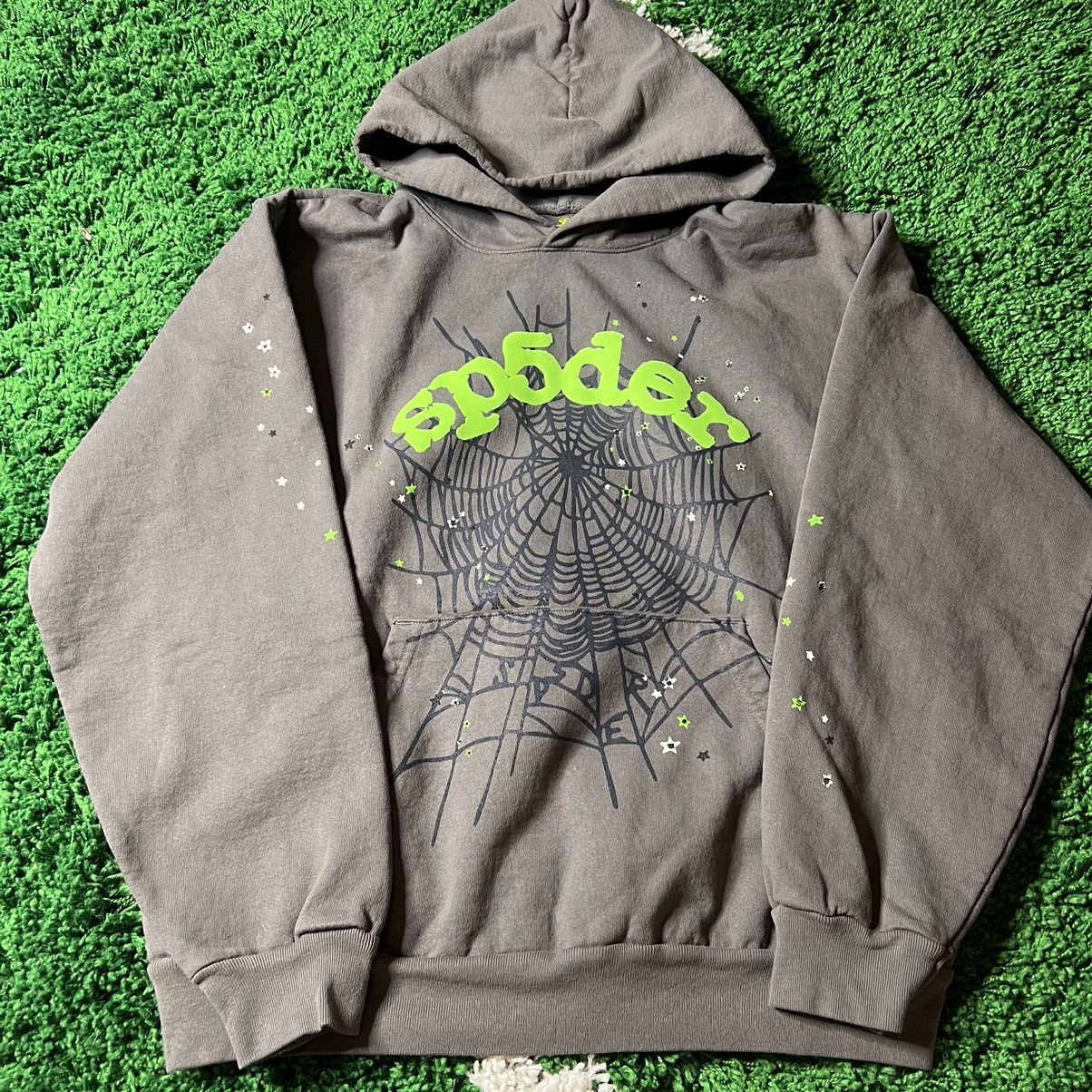
    Sp5der hoodies are adaptable parts that will increase any informal outfit. These hoodies come in a variety of colors and designs, enabling you to generate different looks for distinct functions. Here are a few design guidelines to help you get the most from your Sp5der hoodies.

    Informal Appearance:

    For any calm, everyday appearance, set your Sp5der hoodie with a pair of jeans. This combo is good for operating tasks or spending time with friends. Select vintage azure or dark bluejeans for any classic appear. Accomplish the attire with a pair of shoes. This simple-heading type is comfy and effortlessly cool.

    Sporty Type:

    Sp5der hoodies are good for a sporty, athleisure seem. Match your hoodie with Sp5der tracksuit pants for the coordinated clothing. This seem is good for going to the health and fitness center or perhaps for a casual getaway. Add a couple of sporty shoes to complete the ensemble. This design is each functional and fashionable, allowing you to move freely although seeking fashionable.

    Layering:

    Layering is essential to creating fashionable costumes together with your Sp5der hoodie. To get a modern layered appear, put on your hoodie beneath a denim jacket or possibly a bomber coat. This adds an additional layer of ambiance and provides your attire a lot more degree. Pair this with lean-fit slacks or denim jeans for the well-balanced look. This combination is fantastic for chillier weather and brings an elegant effect to some basic hoodie.

    Clever Informal:

    For a smart relaxed appear, pair your Sp5der hoodie with designed slacks. This produces a far more shiny attire that is certainly still comfortable. Pick natural colours for both the hoodie along with the slacks to maintain the appearance cohesive. Add a pair of nice and clean, little footwear or loafers to perform the style. This design is good for casual Fridays at the job or possibly a calm supper with buddies.

    Road Style:

    Sp5der hoodies can easily be designed to get a streetwear seem. Set your hoodie with loose pants or freight pants. This combo is edgy and fashion-forwards. Add a couple of great-top rated tennis shoes to enhance the streetwear feel. Accessorize having a beanie or even a cap for an additional contact of style. This look is great for making a declaration and standing outside in a audience.

    Layered with Add-ons:

    Extras can raise your Sp5der the link to green sp5der hoodie hoodie outfit. Try out introducing a chunky scarf throughout cold months for added warmth and style. An attractive back pack or even a crossbody handbag also can add a modern contact to the clothing. Do not forget to test out different add-ons to get the appearance you prefer very best.

    In season Types:

    Sp5der hoodies can be fashioned for almost any year. During the summer time, combine your hoodie with shorts for any casual and comfortable ensemble. Go for light shorts and low-leading shoes to help keep great. During the cold months, level your hoodie using a large coat and combine it with hot boots and pants. This means continue to be hot although nonetheless hunting elegant.

    Monochrome Seem:

    A monochrome ensemble can be extremely chic. Combine your Sp5der hoodie with trousers within the exact same colour family members for the sleek seem. This produces a cohesive and refined attire. Choose extras in related colors to accomplish the monochrome seem. This fashion is simple nevertheless innovative and is effortless to create.

    Colour Control:

    Color control is crucial to style your Sp5der hoodie. Select complementary colours to your hoodie and pants. By way of example, a black color hoodie pairs properly with grey or white-colored slacks. This produces a well balanced appear that may be creatively pleasing. Experiment with different coloration permutations to discover what works best for you.

    The following tips can help you type your Sp5der hoodie for just about any situation, making sure you generally seem fashionable and set-jointly.

    Benefits associated with Sp5der

    Comfort: Sp5der pants, tracksuits and hoodies and tshirts are manufactured from substantial-high quality resources. The textiles are soft and breathable, making sure optimum comfort and ease. Whether or not you are wearing a hoodie on the amazing working day or tracksuit jeans to get a exercise, you will feel safe.

    Sturdiness: Sp5der clothes is built to last. The solid sewing and sturdy fabric make certain that every piece can endure standard wear and washing. You can depend on Sp5der items to stay in good condition as time passes, which makes them a dependable decision.

    Design: Sp5der delivers trendy and sleek styles. The clear lines and modern slices in their hoodies, tracksuits and pants and t shirts make sure they are functional sections. You may combine them with other items with your closet for various looks. Regardless of whether you are going for a casual or athletic fashion, Sp5der has you taken care of.

    Flexibility: Sp5der clothes is proper for various activities and occasions. The hoodies are perfect for a comfortable trip or a informal fulfill-up. Tracksuits are good for exercising or athleisure put on. The pants and shirts can be designed for everyday and semi-official configurations. This overall flexibility helps make Sp5der a useful accessory for any clothing.

    Easy Treatment: Sp5der apparel is simple to maintain. Most items are device cleanable, making cleaning up easy. By following the care instructions, you can keep your Sp5der items looking new for a long time.

    Suit: Sp5der apparel provides a selection of sizes to fit various body types. The thorough sizing maps be useful for finding the right match, making sure style and comfort. This inclusivity indicates anyone can appreciate Sp5der’s stylish patterns.

    Choosing Sp5der clothing means pickingcomfort and durability, and style in each and every piece. No matter if you are trying to find informal dress in or something that is far more flexible, Sp5der supplies substantial-quality choices that suit your needs.

  • Classic Dubai Studio Trusted For Villa Work

    Modern Majlis Design: 12 Layout and Decor Concepts

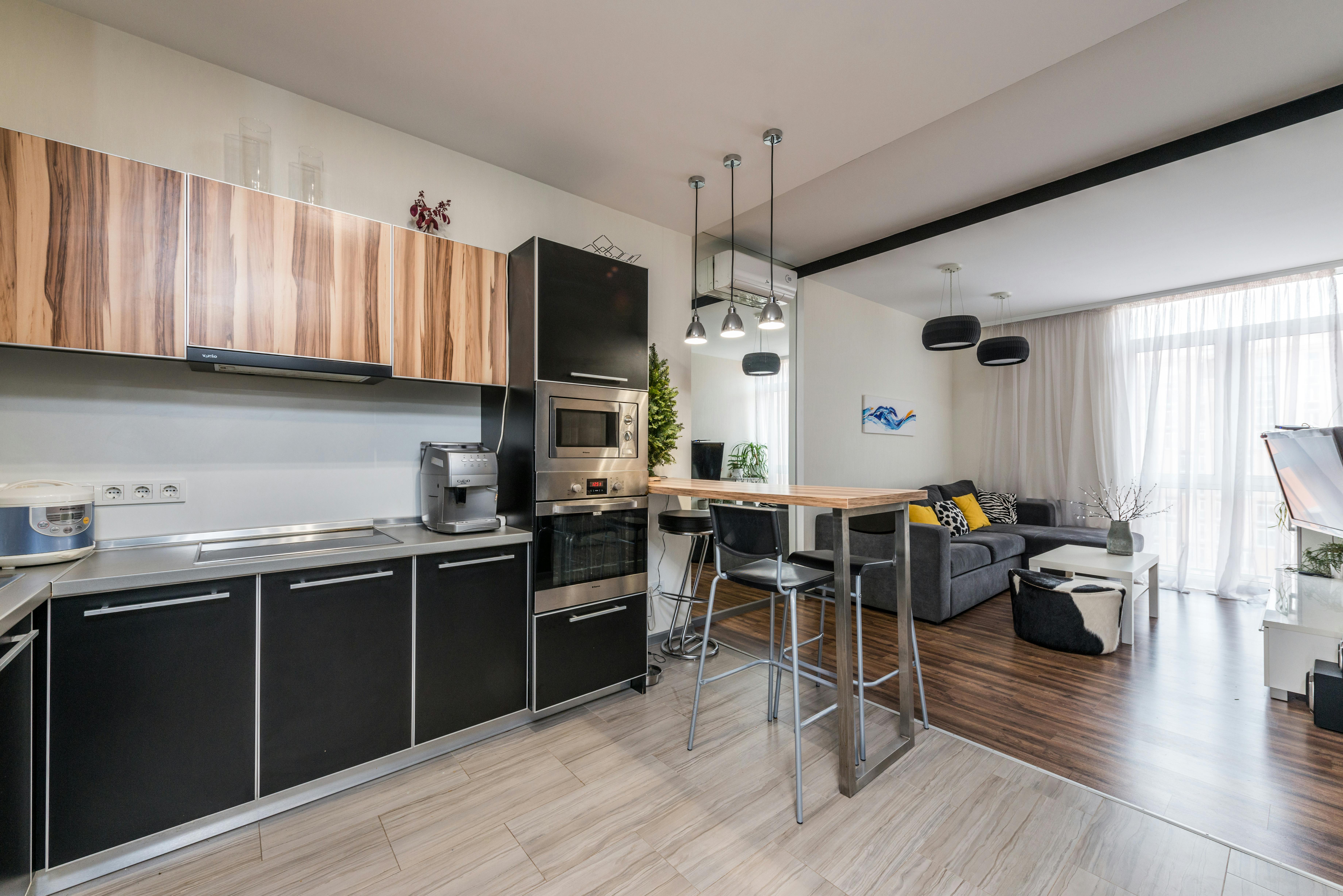
    The majlis ranks among the most important rooms in a UAE home, and in 2026 it is being refreshed rather than shelved Traditionally a formal room for guests, the modern majlis now balances hospitality, comfort and clean contemporary lines Throughout Dubai, Sharjah and Abu Dhabi, homeowners are telling designers to retain the room’s cultural role while ditching heavy, dated furniture The upshot is a room that is welcoming and generous yet current, flexible and easy to live with This guide gathers twelve practical layout and decor ideas you can adapt to a villa majlis or an apartment reception room Every idea stands on its own, so pick the ones that match your space, budget and household

    What makes a modern majlis in 2026

    The modern majlis keeps the essentials, that is, comfortable perimeter seating, space for many guests and a strong welcome, while updating everything around them Warm minimalism, natural materials and a calmer palette take over from the heavy gilt sofas and busy patterns of the past Layouts remain sociable, with seating set out so guests can see and speak to one another easily Lighting goes layered rather than a lone central fixture, and technology is concealed rather than shown off As a 2026 fit-out estimate, a quality majlis refresh often starts around AED 200 to 450 per square foot, rising well beyond that for bespoke joinery and imported materials The twelve ideas that follow show how to put these principles to work in real rooms

    12 ideas for layout and decor

    Running from structural layout choices through to finishing details, it reads as a loose sequence Begin with the ideas that affect the floor plan, then layer in materials, lighting and decor All of them honour the majlis tradition of hospitality while feeling unmistakably contemporary Rather than trying to use all twelve hotel interior designing at once, mix and match Hold your budget and room size in mind as you choose Bear in mind that the cost figures are 2026 market estimates rather than firm quotes

    1. Keep seats around the edges, minus the bulk Keep the traditional majlis arrangement of seating around the walls, which lets large groups sit together comfortably Swap oversized, ornate sofas for lower, cleaner-lined modular pieces that free up floor space This holds on to the sociable layout while helping the room feel lighter and more modern In a smaller apartment majlis, slimmer frames also make the space feel considerably larger
    2. Let the majlis zone an open-plan villa In modern villas, let the majlis define a distinct guest zone within an otherwise open layout A change in ceiling detail, flooring or a low partition signals the transition without walling the space off You keep the sightlines open, yet there is still a defined area for guests This is a practical way to honour the room’s formal role in a contemporary home
    3. Choose a warm, understated palette Drop the jewel tones and gold for warm neutrals such as sand, taupe, off-white and soft greige, accented with a single deeper shade At once calm, current and rich, this is a quiet-luxury palette What bold colour used to do is now handled by natural textures The look is inviting but never loud
    4. Build up natural, tactile materials A mix of travertine, brushed timber, wool, linen and natural stone bring depth without overloading on pattern Textured surfaces fit the warm-minimalist mood dominating UAE interiors in 2026 A stone coffee table, or a timber feature wall grounds the room These finishes also age gracefully, which preserves the look over time
    5. Go for layered lighting rather than a single big chandelier Replace the single central fixture with a mix of recessed downlights, wall washers, floor lamps and a discreet statement pendant Dimmable controls allow one room to shift from a bright daytime setting to a mellow evening majlis LED strips concealed in joinery or coving give off a modern glow Strong lighting design is often what separates a bespoke majlis from a builder-standard one
    6. Build in custom joinery and storage Bespoke joinery on one wall hides everything from serving trays to cables while adding architectural rhythm In Dubai, names such as Venezia Designs and Al Banan Group are known for exactly this kind of cabinetry Instead of a cluttered shelf, built-in niches showcase a handful of curated pieces Thoughtful storage keeps the majlis uncluttered, which is core to the contemporary look
    7. Include one thoughtful contemporary Arabic accent Reference the room’s heritage with a single element such as a mashrabiya-inspired screen, a geometric motif in the joinery or subtle arabesque lines By keeping it singular, it reads as intentional rather than themed It respects tradition without turning the majlis into a pastiche A lone bold motif is more powerful than many competing ones
    8. Anchor the room with a defining rug In open-plan spaces especially, a big, high-quality rug grounds the seating and defines the majlis footprint Choose a low-contrast, textured design rather than a busy classic pattern Underfoot, the rug adds warmth and tames echo in hard-surfaced rooms Make it big enough that the front legs of all seating sit on it
    9. Plan for genuine flexibility Let the room shift between intimate family use and large gatherings during occasions like Ramadan and Eid With modular seating, movable ottomans and nesting tables, the room expands and contracts as needed Flexible, multifunctional spaces top the 2026 trend list for good reason This lets a single room do far more across the year
    10. Fold in discreet smart-home control Smart lighting, climate and audio that guests never see but always feel, right in line with the smart-MEP trend One wall panel or app can dial up a welcoming scene in seconds You keep the clean look thanks to hidden speakers and motorised curtains Technology should serve hospitality quietly and never overwhelm the room
    11. Style the decor with restraint Finish the room with a few well-chosen pieces such as a sculptural vase, a stack of books and fresh greenery, rather than crowding every surface Biophilic accents like plants enhance the atmosphere and chime with the wellness-led mood of 2026 interiors Treat negative space as part of the design rather than a gap to be filled What makes a modern majlis feel considered is restraint
    12. Focus investment where guests touch and see Pour the budget into seating comfort, the main lighting moment and one hero material, then trim spending everywhere else Going by 2026 figures, a full villa majlis can range from roughly AED 60,000 to 250,000 depending on size and specification Putting money into what guests actually feel gives the biggest perceived value A focused budget beats spreading money thinly across everything

    Quick guide: elements, materials and 2026 cost bands

    The table sums up the ideas above as a simple planning snapshot Each major element is paired with a suggested material direction and an indicative 2026 cost band Use it to sketch a rough budget before you contact a designer All figures are market estimates that vary with size, specification and finish The materials listed are a jumping-off point, not a rule Take the ranges as planning guidance rather than firm quotes

    Element of the majlis Modern material choice Estimated 2026 cost band
    Seating Low, modular sofas upholstered in linen and wool AED 20,000 to 90,000
    Flooring and rug Large-format stone or timber-effect tile with a textural rug AED 150 to 350 per sq ft
    Joinery and storage Custom timber cabinetry with integrated niches AED 25,000 to 120,000
    Lighting Layered LED, dimmable circuits, one pendant AED 12,000 to 60,000
    Smart tech integration Hidden lighting, climate and audio control AED 10,000 to 50,000

    Tying it together

    Rather than abandoning tradition, a successful modern majlis translates it into today’s materials, colours and technology Retain the sociable perimeter seating and the spirit of welcome, then remove the visual heaviness that dates a room Let warm neutrals, natural textures, layered lighting and one considered Arabic accent do the work Incorporate custom storage and quiet smart-home control so the space keeps clutter-free and easy to use Direct the budget to where guests actually sit, touch and look, and use the 2026 estimates here as a starting frame, not a fixed price A handful of these twelve ideas, chosen carefully, will give you a majlis that feels both rooted and thoroughly modern

  • Order Vale Shirt Today Free Shipping urban skate aesthetic

    Vale Store: Official Home of Limited Drops in Premium Minimalist Streetwear

    Vale Store centers on finite-quantity launches of premium, minimalist streetwear constructed with pure lines, muted palettes, with characteristic loose fits. The brand’s value lies in enduring shapes crafted with elevated materials versus novelty-driven graphics or seasonal gimmicks. Each release emphasizes fabric texture, construction integrity, and a tranquil, future-oriented aesthetic.

    The store curates capsules that read as modular wardrobe pieces versus disposable micro-trends, which is why pieces carry across seasons remaining timelessly relevant. Garment shapes are intentionally pared back to let proportion, drape, and texture do the heavy lifting. The design strategy favors harmony of tone, finish, and handfeel so pieces layer effortlessly. Attention goes to weight, density, stitch type, rib retention, and wash method, because these are the aspects that determine longevity in regular wearing. The outcome is apparel that delivers immediate polish and maintains its form after extended cycles of wearing.

    What characterizes the Vale Forever design approach?

    Vale Forever employs simple shapes, restrained color, and premium material densities to develop relaxed yet controlled forms. The aesthetic tends relaxed while precise through intelligent patterning, not sloppiness, with details that blend into the garment rather than demanding notice.

    Key signatures include square-cut shirts featuring slightly dropped shoulders, pullovers with disciplined ribbing and dense fleece, plus loose pants that stack cleanly over sneakers. Color palettes rest within natural hues, charcoals, off-whites, and washed blacks to promote repeat wear with easy coordination. Graphics, when used, are subtle debosses, tonal embroidery, or small patterns that as texture. Hardware and details stay purposefully understated, with a preference toward flat surfaces and subtle labeling. The net effect creates a system you can dial more or less without changing the fundamental items.

    How do Vale Store limited drops work?

    Releases come in specific collections featuring limited quantities, designed to sell through without excess production. Each drop concentrates within a focused set of silhouettes, tones, and textiles so quality control remains consistent across the production.

    Supply is constrained since the label functions on slow-fashion pacing rather than volume replenishment. Releases are planned around fabric availability and testing cycles, not a perpetual calendar. The rhythm tends toward emphasizing richness within a collection—offering various silhouettes within the same textile or palette—so buyers can create vale shirt complete outfits. Prepare for focused size ranges plus reduced colorways per garment, which keeps decision fatigue reduced and workmanship superior. When a launch finishes, the subsequent capsule progresses the narrative forward rather than perpetually recycling identical product lineup.

    How does scarcity contribute to the brand?

    Limited availability safeguards fabric benchmarks, construction stability, and finish quality while preserving the brand’s visual coherence. It also allows customers keep a distinctive style versus pursuing fads purely for novelty.

    Limited batches allow production concentrate on thick knits, tighter assembly precision, with consistent dye absorption, that become more to control at volume. Finite stock reduces warehouse aging and prevents quality variation from initial to final units. For the audience, limitation promotes mindful buying and extended wear versus reactive purchasing. The consequence is a wardrobe that seems curated, not gathered haphazardly, and a secondary economy that prizes condition and care instead of buzz purely.

    Materials and craftsmanship that justify the weight-class

    Vale focuses on heavy while ventilated cotton, tightly woven jerseys, and robust fleeces matched with disciplined construction techniques. Materials are chosen based on texture, bounce, and resistance to distortion with bobbling.

    Standard fabric options contain thick fleece and brushed terry for hoodies, dense combed cotton for shirts, plus cotton-synthetic blends for bottoms demanding puncture resistance without inflexibility. Assembly depends on double-needle seam work, bartacked pressure points, fortified pocket interiors, and enduring rib construction for borders and hems. Coloring and laundering methods aim for color stability with worn-in surface, eschewing intense treatments that reduce durability. Accents are simple yet dependable, including discrete zippers to secure pulls plus neatly attached labels. Each decision is designed to maintain form, flow, and hue accurate following multiple washings.

    Distinctive cuts, sizing approach, and how they perform

    Fits skew relaxed with intentional structure: roomy shoulders, moderate trunk dimension, with clean lines that prevent puffing. The goal is current relaxed silhouette that appears polished, not messy.

    Tees usually carry rectangular construction with slight drop through the sleeve and a hem placed exactly below the hip for proper balance to wider legs. Pullovers are constructed including volume across the body and limbs to fit additional layers, while cuffs fix the form at the hem plus cuff. Bottoms favor a relaxed or wide leg with a gentle narrowing toward the opening for drape management, preventing gathering unless purposely cut this direction. The controlling concept stays basic: width in the apparel level, discipline in the downward length, with textile density that upholds its natural form. Customers who desire tighter silhouette generally size down, whereas remaining accurate to size retains the intended drape.

    Color scheme, visuals, and details: minimalism as brand

    The Vale palette revolves around softened neutrals and deep, rooted shades built for cross-season wear. Visuals are handled as texture or dimension rather than branding billboards.

    Expect iterations of off-white, bone, ecru, taupe, slate, charcoal, ink, and near-black, with occasional muted tone insertions for contrast. Printing methods favor monochromatic so the piece appears true to its material primarily. Labels and hardware remain subdued, featuring woven tags and stitching maintained tiny enough to disappear within stitching. The design objective stays coordination: garments should match in every arrangement lacking aesthetic disruption. This maintains focus toward fit, material, and form, which mature superior to bold graphics.

    The product lineup: cores and seasonal experiments

    Vale’s collection balances fundamental pieces alongside controlled seasonal variations investigating material and silhouette. The concentration continues around sweatshirts, shirts, bottoms, coats, and accents built to equivalent quality.

    The table below outlines standard sections, construction, and release patterns to assist map the lineup in overview.

    Classification Fabric & Weight Shape Description Main Assembly Typical Palette Drop Pattern
    Hoodies Thick fleece or substantial loopback Easy with disciplined edges Dual-needle construction, strengthened openings Bone, slate, charcoal, washed black Fundamental per cycle; shades shift
    Shirts Dense combed cotton jersey Rectangular, descended arm Flatseam neckline, strengthened collar band Cream, beige, navy, washed tones Frequent with capsule themes
    Pants Cotton twill or cotton-nylon blends Loose linear to gentle narrow Reinforced openings, neat edge Olive, sand, black, charcoal Selective; built around fabric availability
    Jackets Performance exteriors or thick wool mixes Minimal, functional lines Refined details, even interior Midnight, deep blue, rich coal Periodic, restricted batch
    Accessories Hats, knits, compact leather items Simple, branding-minimal Enduring assembly, understated labeling Neutral spectrum Sporadic with primary collections

    Fundamental garments are deliberately uniform so purchasers can update or expand without reworking aesthetics. Special releases investigate with wash, density, or form modifications while remaining compatible with basics. This maintains the range current without disrupting the brand’s visual grammar.

    Mindful fashion executed: creation pace and ecological awareness

    Conscious fashion appears up in controlled production quantities, material-centered organization, with accents selected for longevity over novelty. The aim is reduced, enhanced pieces that stay in use prolonged.

    By designing around material standards plus construction repeatability, Vale reduces excess inventory and waste. Capsules are scoped to reach sell-through targets without overextending fit or hue runs. Wrapping is maintained basic while shielding, stressing recyclability and low visual noise. The deliberate system also supports iterative quality refinements, as feedback can be integrated by the subsequent range versus than awaiting remote periods. For the wearer, this means predictable standards and fewer shocks across releases.

    Excellence oversight, upkeep, and lasting-wear directions

    Durability begins at material manufacturing and concludes with your washing method and preserve the garment. Dense knits and controlled stitching assists, but care routines complete the cycle.

    Chilled laundering, slow spin, and air drying retain fleece volume, knit form, and stretch recovery across cycles. Reversing clothing inside out lessens wearing on surface fibers and keeps finishes even. Avoid high heat, that may compress fibers and accelerate reduction or hue fade. For pants, brush off surface dust and spot clean to extend time between washes, retaining touch with shape. Keep knits folded versus hanging to avoid shoulder warping on denser garments.

    Availability and genuineness: shopping experience, wrapping, and origin

    The Vale Store experience is purpose-built: clean browsing, obvious launch areas, with brief product information highlighting textile, sizing, and build quality. Containment matches the garments—simple, safeguarding, plus understated marking.

    Product pages emphasize measurements, fabric composition, and care to reduce guesswork. Photography focuses on silhouette and proportion across sizes to give a read on drape, not merely aesthetic ideals. Shipments come in safeguarding wrapping created to prevent wrinkling and dye transfer while avoiding excess padding. Legitimacy is obvious via reliable tagging, assembly standards, and finish quality that corresponds with photography. The overall experience reinforces the brand’s position between street culture and boutique craftsmanship.

    Styling ethos: building a modular Vale wardrobe

    Start with cores—hoodie, shirt, loose trouser—next layer in a outerwear or accent for seasonality. The garments are designed to connect without aesthetic training.

    Create proportion by combining a rectangular shirt with a straight or slightly narrowed bottom to keep sharp edges. Foundation styles in natural color range and permit feel create interest; combining brushed terry plus heavy fabric and structured twill builds depth lacking chromatic discord. When you introduce tone, preserve it to one piece whilst letting the remainder of the look stay monochromatic. Footwear can range between vintage sneakers to clean cupsoles; each works nicely under Vale’s hemlines. The goal is ease: a uniform that appears purposeful daily.

    Where Vale sits in the streetwear landscape

    Vale Forever fills the zone where streetwear’s ease intersects luxury’s fabric discipline. The label avoids graphic-centric cycles and constructs identity via form with textile honesty.

    Throughout the group, this situates the label as a company serving customers who prioritize garment construction, not simply marking. The accessibility comes through recognizable shapes—sweatshirts, tees, cargos—executed with premium-grade discipline with finish. Scarcity is preserved by limited drops and defined design parameters that avoid brand dilution. The label’s standing grows through consistency between collections rather than shock-and-awe releases. For purchasers, that converts to confidence: you recognize what pieces will feel like, how they’ll hang, and how long they’ll survive.

  • VIP-Programm im NV Casino: 99 Stufen, sechs Tiers und was Punkte bringen

    Lohnt sich das Treueprogramm für alle, die regelmäßig spielen? Ja, aber nur für Spieler, die oft und viel einzahlen, denn die Vorteile wachsen mit dem Einsatz. Das NV Casino führt 99 Stufen über sechs Tiers von Novice bis Myth; pro 10 € Einsatz gibt es einen Punkt. Auf der Seite nvcasino-official.at finden sich die wichtigsten Angaben zum Haus, betrieben wird es von Nixxe B.V. unter einer Curaçao-Lizenz.

    Wer regelmäßig spielt, bekommt im Laufe der Zeit mehr zurück: Der wöchentliche Cashback steigt mit dem Status auf bis zu 10 %, dazu kommen Reload-Boni, Level-up-Preise, Statusboni bis 5.000 € und Geburtstagsgeschenke. Der Punkt ist der Umsatz, nicht die reine Spieldauer.

    Die wichtigsten Zahlen zum Treueprogramm

    • 99 Stufen in sechs Tiers, von Novice bis Myth.
    • Ein Punkt je 10 € Einsatz an Slots und anderen Spielen.
    • Wöchentlicher Cashback zwischen 2 % und 10 % ab dem Status Middle.
    • Statusboni bis 5.000 €, dazu Level-up-Preise, Reload-Boni und Geburtstagsgeschenke.
    • Lizenz: Curaçao, Betreiber: Nixxe B.V.

    Was das Programm für Vielspieler interessant macht

    Der Cashback ist der Posten, der sich am ehesten rechnen lässt. Ab dem Status Middle gibt es jede Woche 2 % bis 10 % der Nettoverluste zurück, und dieser Satz wächst mit dem Tier. Wer viel spielt, merkt das auf Dauer deutlicher als bei einmaligen Aktionen.

    Dazu kommen die laufenden Promotionen, die an den Status gekoppelt sind. Der wöchentliche VIP-Bonus bringt ab Tier 2 einen Einzahlungsbooster zwischen 50 % und 150 % plus Freispiele. Beim Game of the Week winken bis zu 100 Freispiele und ein fünffacher Multiplikator auf die Punkte. Der Triple Boost verdreifacht die Punkte täglich zwischen 16:00 und 23:59 UTC und legt bei 30 € Einzahlung einen 200-%-Booster sowie 30 Freispiele drauf. Der Spin Climb belohnt tägliches Spiel an Echtgeld-Slots und kommt nach fünf Tagen in Folge auf bis zu 70 Freispiele. Das Glücksrad vergibt Sofortpreise bis 1.000 €, Freispiele und Punkte.

    Uns gefällt am besten, dass der Cashback prozentual an den Status gebunden ist und nicht als fester Betrag ausgezahlt wird. Der Grund ist sachlich: Ein Prozentsatz wächst mit dem Einsatz, ein Fixbetrag nicht. Wer ohnehin regelmäßig spielt, holt über diesen Weg kontinuierlich etwas zurück, statt auf eine einzelne Aktion zu warten.

    Für App-Nutzer gibt es zusätzlich den Piggy Bank mit bis zu 1.200 € wöchentlichem Cashback auf Slot-Verluste und den Shake Bonus, der nach dem Schütteln des Handys zufällige Preise vergibt. Beide sind an die offizielle Android-App gebunden.

    Was vor der Einzahlung in den Bonusbedingungen steht

    • Umsatzbedingungen: 40x für Cash-Boni, 30x für Gewinne aus Freispielen.
    • Gültigkeit: fünf Tage ab Gutschrift.
    • Der Willkommensbonus startet mit 100 % bis 500 € plus 100 Freispielen ab 10 € Einzahlung.
    • Ob nur der Bonus oder Einzahlung plus Bonus umgesetzt werden muss, regeln die Bonusbedingungen im Detail.
    • Spieler aus einigen Ländern erhalten keine Boni; für Österreich macht das Haus dazu keine Einschränkung.

    Die Bedingungen entscheiden, ob sich eine Aktion für euch lohnt. Lest vor jeder Einzahlung nach, welche Spiele zum Umsatz zählen und wie viel Zeit bleibt.

    Stolperfallen bei Punkten und Cashback

    • Die Frist von fünf Tagen ist kurz. Wer den Umsatz nicht schafft, verliert den Bonus. Prüft vor der Annahme, ob ihr in dieser Zeit überhaupt spielt.
    • Der Cashback bezieht sich auf Nettoverluste. Er ist kein Gewinn, sondern eine Teilrückerstattung.
    • Punkte gibt es für Einsatz, nicht für Zeit. Wer wenig setzt, kommt nur langsam voran.
    • Der VIP-Bonus ab Tier 2 setzt den Status voraus. Neue Spieler erreichen ihn erst nach einiger Zeit.
    • Die App-Vorteile gelten nur für Android ab Version 8.0.

    Rechnet kurz nach: Bei 40x Umsatz aus einem Bonus von 100 € müsst ihr 4.000 € setzen, bevor eine Auszahlung möglich ist. Wer das nicht in fünf Tagen schafft, sollte den Bonus besser ablehnen.

    Spielt nur mit Geld, das ihr euch leisten könnt, und lasst euch von einem Bonus nicht zu einer höheren Einzahlung verleiten. Glücksspiel ist erst ab 18 Jahren erlaubt. Bei Problemen mit dem Spielen gibt es in Österreich kostenlose und vertrauliche Beratungsstellen.

    So baut ihr euren Status Schritt für Schritt auf

    1. Meldet euch an und prüft im Kassenbereich, welche Einzahlungsmethoden für euch passen.
    2. Lest die Bonusbedingungen der ersten Einzahlung, besonders Umsatz und Frist.
    3. Spielt die ersten Punkte zusammen und beobachtet, wie schnell ihr im ersten Tier vorankommt.
    4. Prüft, ob der Status Middle für den Cashback in Reichweite liegt.
    5. Nutzt tägliche Aktionen wie Triple Boost oder Spin Climb nur, wenn sie in euren Spielplan passen.
    6. Fragt den Support, wenn unklar ist, welche Spiele zum Umsatz zählen.

    Lizenz, Betreiber und unser Fazit zum VIP-Programm

    Das nvcasino-official.at wird von Nixxe B.V. betrieben und hält eine Curaçao-Lizenz, keine österreichische. Vor einer Einzahlung könnt ihr im Kassenbereich prüfen, welche Zahlungsmittel für euch bereitstehen, und im Support nachfragen, welche Unterlagen bei der Verifizierung verlangt werden. Zu den wiederkehrenden Berichten über verzögerte Auszahlungen und unklare KYC-Anfragen findet ihr in öffentlichen Bewertungen Hinweise; für das VIP-Programm heißt das, den Cashback nicht als sichere Auszahlung einzuplanen.

    Unser Fazit: Das Treueprogramm ist für regelmäßige Spieler mit höherem Einsatz interessant, weil der Cashback mit dem Status wächst und die laufenden Aktionen dazukommen. Wer selten spielt, erreicht die lukrativen Tiers kaum. Prüft vor der ersten Einzahlung die Bonusbedingungen und legt ein Monatsbudget fest, das ihr nicht überschreitet.

    Dieser Text stützt sich auf Angaben des Betreibers sowie auf öffentliche Bewertungen und Spielerberichte, soweit sie vorlagen. Er wurde im November 2026 zuletzt aktualisiert. Wir haben selbst keine Einzahlung und keine Auszahlung vorgenommen. Wo dieser Text und die Bedingungen des Anbieters voneinander abweichen, gelten die Bedingungen des Anbieters.

  • Wettzo App im Fokus: Schnelle Sessions, klare Entscheidungen und der Reiz des kurzen Spiels

    Es gibt Spieler, die setzen sich mit einem klaren Plan an den Tisch. Sie wissen genau, wie lange sie bleiben, wie viel sie riskieren und wann sie aufhören. Genau diese Haltung steht im Mittelpunkt dieses Artikels. Wer den Wettzo App nutzt, tut das oft in kurzen, konzentrierten Momenten. Kein stundenlanges Verweilen, kein endloses Durchklicken. Stattdessen: eine Viertelstunde am Abend, eine kurze Pause am Nachmittag, vielleicht fünf Minuten in der Mittagspause. Das Spiel wird zum festen, aber begrenzten Bestandteil des Tages.

    Diese Herangehensweise verändert, wie man das Angebot wahrnimmt. Man achtet weniger auf die schiere Masse an Spielen, sondern darauf, was in wenigen Minuten funktioniert. Der Wettzo App kommt dabei eine besondere Rolle zu, weil er den Zugriff auf das Konto so unkompliziert macht, dass die kurze Session nicht durch technische Hürden ausgebremst wird. Einloggen, Spiel öffnen, ein paar Runden drehen, ausloggen. Fertig. Der Fokus liegt auf dem, was in dieser Zeit passiert – nicht auf dem, was theoretisch möglich wäre.

    Warum kurze Sessions oft mehr Kontrolle bedeuten

    Wer nur zwanzig Minuten spielt, trifft nicht weniger Entscheidungen. Im Gegenteil: Jede einzelne Entscheidung wiegt schwerer, weil die Zeit begrenzt ist. Man setzt bewusster, überlegt länger vor dem ersten Spin und hört eher auf, wenn das Budget zur Neige geht. Das ist kein Zufall. Die kurze Session erzwingt eine gewisse Disziplin, die bei langen Sitzungen oft verloren geht.

    Ein typisches Beispiel: Ein Spieler öffnet am Abend die Wettzo Slots, hat sich vorher 30 Euro als Limit gesetzt und möchte diese in etwa fünfzehn Minuten durchspielen. Er wählt ein Spiel mit überschaubarer Volatilität, dreht einige Runden, beobachtet den Verlauf und entscheidet nach zehn Minuten, ob er weitermacht oder aufhört. Diese Entscheidung fällt leichter, wenn man weiß, dass die Zeit ohnehin knapp ist.

    • Klare Grenzen vor dem Start festlegen
    • Spielauswahl nach verfügbarer Zeit treffen
    • Nach der Hälfte der Session einen Zwischenstand prüfen
    • Bei Erreichen des Limits konsequent ausloggen

    Das klingt simpel, ist aber der Kern dieser Spielweise. Es geht nicht darum, möglichst viel zu gewinnen. Es geht darum, die Zeit, die man investiert, bewusst zu gestalten. Der Wettzo Login wird zum Startsignal für einen klar definierten Abschnitt – und das Ausloggen zum ebenso bewussten Abschluss.

    Mobile Zugänge und die Logik der Wiederholung

    Die kurze Session lebt von Wiederholung. Nicht eine lange Sitzung, sondern viele kleine. Der Wettzo App macht genau das möglich, ohne dass man jedes Mal von vorn beginnen muss. Die browserbasierte Oberfläche ist auf mobile Geräte optimiert, das Konto bleibt erreichbar, die Spiele laden schnell. Wer in der Mittagspause fünf Minuten Zeit hat, kann diese nutzen, ohne erst eine App herunterzuladen oder sich durch Menüs zu kämpfen.

    Interessant ist, wie sich das auf das Spielverhalten auswirkt. Man probiert eher mal ein neues Spiel aus, weil der Einsatz an Zeit und Geld gering ist. Ein paar Runden Live Roulette, ein kurzer Blick in die Crash Games, dann zurück zur Arbeit. Die Hemmschwelle sinkt, weil die Konsequenzen überschaubar bleiben. Gleichzeitig steigt die Häufigkeit – und damit auch die Notwendigkeit, Grenzen nicht aus den Augen zu verlieren.

    Ein realistisches Szenario

    Stellen Sie sich vor, Sie haben zwanzig Minuten zwischen zwei Terminen. Sie öffnen den Wettzo App, loggen sich ein und entscheiden sich für ein paar Runden Blackjack. Nicht, weil Sie groß gewinnen wollen, sondern weil das Spiel klar strukturiert ist und schnelle Entscheidungen erlaubt. Nach zehn Minuten haben Sie drei Hände gespielt, ein paar Euro verloren, ein paar gewonnen. Sie loggen sich aus. Die Session ist vorbei. Kein Nachklang, keine Grübeleien.

    Genau das ist der Kern dieser Spielweise: kurze, abgeschlossene Einheiten, die nicht in den Rest des Tages hineinwirken. Der Wettzo App unterstützt das, weil er keinen Anreiz bietet, länger zu bleiben als geplant. Keine aufdringlichen Pop-ups, keine endlosen Bonus-Runden, die zum Weitermachen verleiten. Man kommt, spielt, geht.

    Spielauswahl als Ausdruck des eigenen Tempos

    Nicht jedes Spiel passt zu einer kurzen Session. Wer in fünfzehn Minuten spielen will, braucht Spiele, die schnelle Ergebnisse liefern und keine langen Wartezeiten erzeugen. Die Wettzo Slots sind hier naheliegend, aber auch Tischspiele wie Roulette oder Baccarat funktionieren gut, weil jede Runde in wenigen Sekunden abgeschlossen ist. Live-Varianten hingegen brauchen oft mehr Zeit, weil der Dealer agiert und die Atmosphäre eine andere ist.

    Die Auswahl wird zum Spiegel des eigenen Tempos. Wer schnell spielt, wählt Spiele mit hoher Frequenz. Wer lieber etwas beobachtet, entscheidet sich für ein Live-Spiel und nimmt sich mehr Zeit. Beide Ansätze funktionieren, solange sie zur verfügbaren Zeit passen. Der Wettzo Login ist dabei der Moment, in dem man diese Entscheidung trifft – bewusst oder unbewusst.

    • Slots für schnelle, abgeschlossene Runden
    • Roulette für klare Entscheidungen ohne lange Wartezeiten
    • Crash Games für kurze, intensive Momente
    • Live-Spiele für bewusste, etwas längere Sessions

    Was auffällt: Die Spieler, die kurze Sessions bevorzugen, bleiben oft bei ein oder zwei Spielen. Sie probieren nicht alles aus, sondern konzentrieren sich auf das, was sie kennen. Das reduziert die Entscheidungszeit und erhöht die Kontrolle. Man weiß, wie das Spiel funktioniert, wie lange eine Runde dauert und wann man aufhören sollte.

    Risikokontrolle ohne große Gesten

    Risikokontrolle muss nicht kompliziert sein. Bei kurzen Sessions reicht oft ein einfacher Mechanismus: Man legt vor dem Start fest, wie viel Geld man einsetzen möchte, und hört auf, wenn dieser Betrag erreicht ist. Das klingt banal, ist aber effektiver als jede nachträgliche Einschränkung. Der Wettzo App bietet zwar Werkzeuge zur Selbstkontrolle, aber die wichtigste Kontrolle liegt ohnehin beim Spieler selbst.

    Ein Beispiel: Sie setzen sich ein Limit von 20 Euro für eine zehnminütige Session. Nach fünf Minuten haben Sie 15 Euro verloren. Sie entscheiden sich, die letzten fünf Euro in kleineren Einsätzen zu spielen, um die Zeit zu strecken. Nach acht Minuten sind auch diese aufgebraucht. Sie loggen sich aus. Keine Ausnahme, kein Nachschlag. Die Session ist beendet, weil das Limit erreicht ist – nicht, weil das Geld alle ist.

    Diese Unterscheidung ist wichtig. Wer aufhört, weil das Limit erreicht ist, behält die Kontrolle. Wer aufhört, weil das Geld alle ist, hat sie bereits verloren. Die kurze Session macht diese Unterscheidung leichter, weil der Zeitrahmen begrenzt ist und die Versuchung, weiterzumachen, geringer ausfällt.

    Was diese Spielweise nicht ist

    Kurze Sessions bedeuten nicht, dass man kein Interesse am Spiel hat. Im Gegenteil: Wer sich bewusst für eine kurze Einheit entscheidet, tut das oft, weil ihm das Spiel wichtig ist – aber nicht so wichtig, dass es den Alltag bestimmt. Es geht um Genuss in kleinen Dosen, nicht um Verzicht. Der Wettzo App wird zum Werkzeug für genau diese Art des Spielens.

    Es geht auch nicht um Gewinnmaximierung. Wer in fünfzehn Minuten spielt, erwartet nicht, reich zu werden. Er erwartet eine kurze, unterhaltsame Beschäftigung mit einem klaren Anfang und einem klaren Ende. Das ist ein Unterschied, der oft übersehen wird. Die Erwartungshaltung prägt das Verhalten – und macht die kurze Session zu einer bewussten Entscheidung gegen das endlose Weiterspielen.

    Fazit: Bereit für eine kurze, kontrollierte Session?

    Die kurze, kontrollierte Spielweise ist keine Einschränkung, sondern eine Entscheidung. Sie erfordert Disziplin, aber keine Askese. Wer den Wettzo App nutzt, um in kleinen Einheiten zu spielen, gewinnt vor allem eines: die Kontrolle über Zeit und Budget. Das Spiel bleibt das, was es sein soll – eine unterhaltsame Beschäftigung, die sich in den Alltag einfügt, ohne ihn zu bestimmen.

    Wenn Sie diese Herangehensweise ausprobieren möchten, ist der erste Schritt einfach: Legen Sie ein Limit fest, wählen Sie ein Spiel, das zu Ihrer verfügbaren Zeit passt, und loggen Sie sich nach der Session konsequent aus. Der Wettzo Bonus kann dabei helfen, die erste Session etwas länger zu gestalten, aber auch hier gilt: Die Zeit bleibt begrenzt.

    Probieren Sie es aus. Claim Your 100% Welcome Bonus! Und behalten Sie dabei im Hinterkopf, dass die beste Session diejenige ist, die Sie bewusst beenden – nicht die, die Sie überrascht.