Ferragamo or Ferregamo? Setting Straight Widespread Shopper Confusion
Search fields overflow every day with “ferregamo,” a spelling that isn’t real in the fashion world but persists stubbornly across shopping queries. The genuine label is Salvatore Ferragamo, founded by an Italian shoemaker whose surname carries a double “r” and an “a” where many shoppers reflexively enter an “e.” This mix-up is not new, and it is not limited to casual browsers either. Stylists, resellers, and veteran buyers alike occasionally get the spelling wrong when rushing through a search or relying on memory. Once you grasp why it happens and learn to shop correctly, you’re shielded from counterfeit listings and wasted searches.
At first glance this might seem trivial, but the confusion matters a great deal. Misspelling a luxury brand name online can lead you straight into grey-market listings, mislabeled products, or outright fakes posing as a “ferragamo shop.” Getting the name right is the first filter separating a legitimate purchase from a risky one.
Why “Ferregamo” Keeps Showing Up in Searches
The way the name sounds is the primary cause. When said out loud, especially by non-Italian speakers, “Ferragamo” can sound like it contains an “e” rather than an “a” in that middle syllable. Speakers of English also tend to expect “e” in that position within surnames, which causes the mind to fall back on a familiar pattern rather than the correct one. This kind of substitution is common with foreign-origin names that don’t follow typical English spelling conventions.
There’s also the autocomplete effect. Search engines record millions of queries daily, and once “ferregamo” becomes a common misspelling, platforms sometimes autocomplete it back to users, entrenching the typo in a feedback loop. Social media captions, resale listings, and even some ad copy from third-party sellers have repeated this error, which only adds to the confusion for someone trying to verify what’s real.
This pattern is deliberately exploited by counterfeit sellers. Some advertise goods under “ferregamo” deliberately to intercept search traffic from people who don’t yet know the correct ferragamo bags spelling, betting on the idea that a shopper on the lookout for a designer bag won’t scrutinize the exact letters in the URL or product title. This is exactly why knowing the correct spelling serves as a basic security measure, not just a grammar note.
The Right Spelling and Where It Comes From
Salvatore Ferragamo founded his eponymous house in Florence in 1927, after years spent developing a shoe business in the United States. His name, Ferragamo, is rooted in Italian, and the double “r” is built into the structure of the surname itself rather than a stylistic choice. The company has kept this exact spelling for nearly a century, remaining consistent across every store, website, and legal filing associated with the maison.
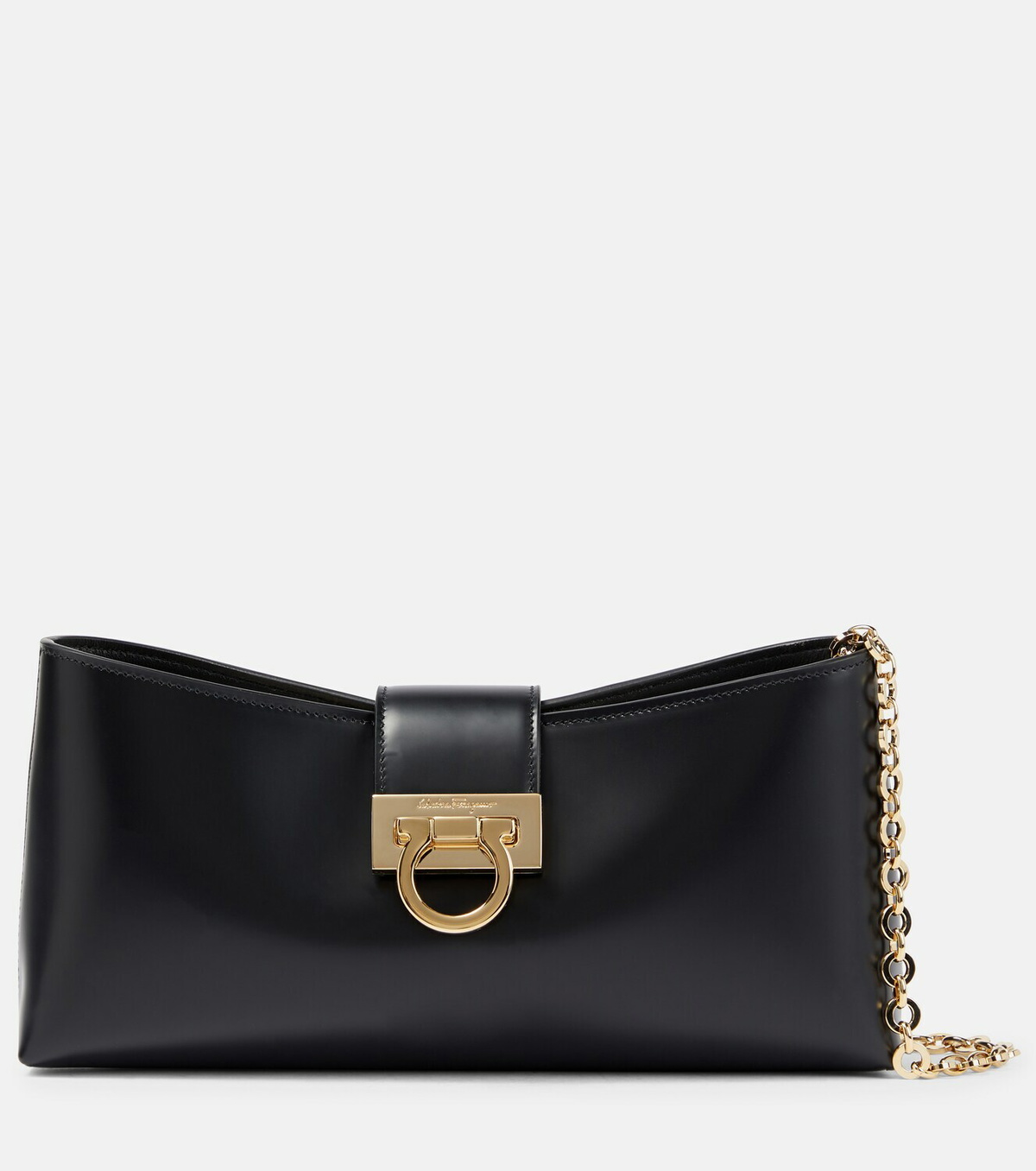
These days, Salvatore Ferragamo crafts footwear, ready-to-wear, accessories, and one of its most recognized categories: leather goods. Beyond being a mere status marker, a Ferragamo bag embodies decades of craftsmanship rooted in Florentine leatherworking traditions. Helping shoppers visually confirm authenticity even before checking a label, the brand’s Gancini hardware, a horseshoe-shaped clasp, has become a signature identifier across many of its most popular styles.
Knowing this history helps anchor the spelling in memory. Rather than sounding the word out phonetically, once you link “Ferragamo” to founder Salvatore Ferragamo, the right spelling usually sets in. It’s a modest cognitive shortcut, but it works well for repeat customers.
How This Mix-Up Impacts Shopping Online
Search platforms show some leniency, though only so far. Since big-name retailers have fine-tuned listings to catch frequent typos, entering “ferregamo” on most sites will probably still lead you to genuine Salvatore Ferragamo results. However, this protective cushion isn’t universal: independent vendors, unofficial marketplaces, and smaller resale platforms might leave the mistake uncorrected, which is where danger climbs.
Such listings, which can range from innocent secondhand errors to intentional counterfeiting, often appear when buyers searching for a certain style, like a top-handle bag or structured tote, come across “ferregamo”-labeled listings unconnected to the genuine brand. Prices that seem dramatically lower than expected are usually the first warning sign, followed closely by inconsistent stitching descriptions, vague material claims, or stock photos that don’t match the actual item being sold.
Verifying spelling is just the starting point; pairing it with checking seller credibility, seeking authentication for secondhand buys, and shopping at an official Ferragamo shop or authorized retailer matters just as much. The two habits together form a much stronger defense than either alone.
Spelling Side-by-Side Comparison
| Point of Comparison | Ferragamo (The Right Spelling) | Ferregamo (Incorrect) |
|---|---|---|
| Brand Standing | Salvatore Ferragamo’s legitimate official name | Lacks any legitimate or registered brand status |
| Background | Italian surname, with roots founded in Florence in 1927 | A frequent typo with no historical grounding |
| Search Engine Behavior | Points toward legitimate retailers and verified product pages | Commonly results in third-party or knockoff listings |
| Used By | Official stores, authorized resellers, brand press | Shoppers who are misinformed, along with some sellers of fakes |
| Risk Level When Shopping | Fairly low, especially when using confirmed retail channels | Elevated, especially across unofficial marketplace platforms |
Savvy Shopping: Identifying Real Salvatore Ferragamo Bags
Once spelling is no longer a question, the focus shifts to recognizing what to look for while browsing a Ferragamo bags overview or comparing styles between sellers. Leather that feels substantial rather than stiff or synthetic, precise stitching, and consistent hardware finishing typically mark authentic pieces. Where it appears, the Gancini hardware ought to sit flush against the leather, with no visible glue marks or uneven edges.
When customers hunt for the top Ferragamo bags or best Ferragamo bags, they’re usually comparing boxy structured totes, compact top-handle designs, and shoulder bags with the brand’s signature hardware details. Every category fills a distinct role: totes meant for daily office use, top-handle designs for dressier occasions, and crossbody and shoulder picks for all-round use. No single style is universally “best,” because the right pick comes down to real everyday handling.
For shoppers specifically looking into best Salvatore Ferragamo bags, it’s useful to consider lasting quality and build rather than just passing trends. Leather pieces from this maison are made with an eye toward resale value, which is partly why resale interest holds firm. Provided it’s stored the right way and maintained using proper leather care, a carefully looked-after Salvatore bag can stay valuable for years to come.
Purchasing via an official Ferragamo storefront is still the safest path, particularly for those new to the brand’s construction nuances. Official department stores along with the brand’s own online shop deliver proof of authenticity, verification of legitimacy, and customer service support that independent resellers typically cannot match.
Last Word on Getting the Name Straight
Getting the spelling right might look like a small point in the broader scope of high-end shopping, but it acts as a real safety net. Spelling “Ferragamo” properly narrows your search results toward legitimate retailers and cuts the risk of drifting into fake-goods territory. In a subtle but genuine way, it conveys real familiarity with the brand’s true identity, rather than a fuzzy, half-recalled guess at it.
Salvatore Ferragamo built a company that has outlasted trends for nearly a hundred years, and part of respecting that legacy is simply getting the name right. Whether you’re comparing options across several retailers or just starting out, starting with the correct spelling gives you a solid starting point. From there, the real work is comparing construction, pricing, and retailer credibility, factors that matter far more than a single missed letter, but only once that letter is fixed.
Leave a Reply