Many Australians approach card rooms with a clear head, treating each session like a measured bet rather than a night out chasing luck. When omaha poker rules explained properly, the format rewards patience, hand reading and a steady bankroll more than raw aggression. The real value sits in how the interface, local currency and plain-language layout support that discipline. A trustworthy table experience should make the mechanics obvious before the first blind, not after a costly misread.
What the Format Actually Asks Of You
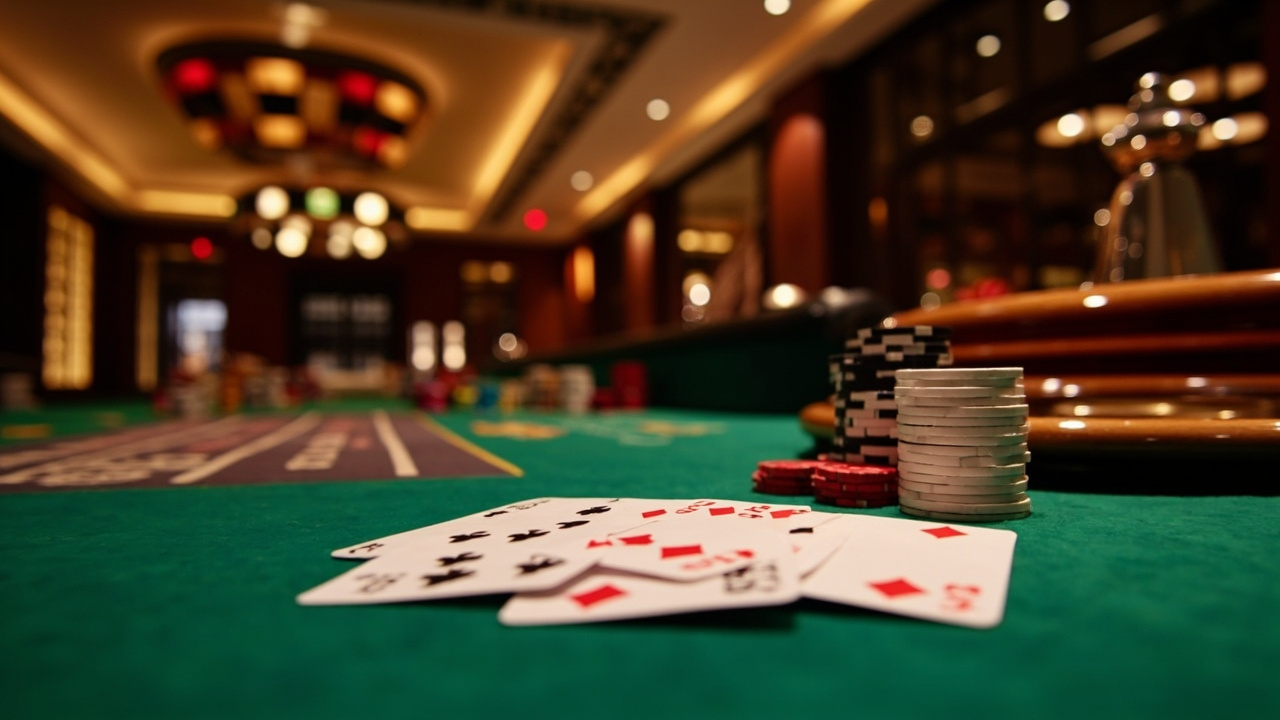
Omaha holds four hole cards per player, and every made hand must use exactly two of those plus three from the board. That single requirement reshapes everything else, because draws run deeper and nut hands matter far more than in hold’em. A solid site will lay out those constraints in plain terms, with the starting hand chart and hand-ranking order visible without digging through menus. You should be able to confirm the two-card rule, the flush-over-full-house dynamic and the way pot odds shift on a wet board before you even seat yourself. Where the layout helps, it keeps the most common mistakes on screen, so the rules stay part of the flow instead of a separate lesson.
Reading the Interface And Local Setup
A practical table experience should make the local setup feel normal from the first tap. Currency should display in Australian dollars, with bet sizing and rake shown in the same unit so you are not mentally converting every street. Navigation ought to keep cash games, tournament lobbies and hand history in separate, clearly labelled sections, with search that actually filters by stake and format rather than returning generic pages. Visual identity matters here too: clear chip values, readable community cards and a hand strength indicator that does not clutter the action. If you are playing out of Perth on a phone during a lunch break, the layout should hold up on a smaller screen without shrinking the pot odds or hiding the action buttons. For a closer look at how one operator handles that local presentation, you can compare the details at https://elvis-frog-trueways-demo-au.com/ before you decide what feels right for your own session.
Where the Limits And Trade-offs Sit
No format is without friction, and Omaha is no exception. The same depth that makes draws interesting also means cooler runouts happen more often, so a cautious bankroll approach matters more than chasing a single lucky cooler. Rake structures and time-based charges can eat into slower, multi-way pots, which is why a transparent fee display is more useful than a flashy lobby. Some operators argue that deeper stacks and higher variance are part of the product’s appeal and worth the extra swing; others, often from a responsible-play or regulatory angle, counter that clearer stake warnings and session prompts are the better trade-off. Both views have a point, and a well-built room should let you see the cost of each choice rather than hiding it behind a slick animation.
Practical Habits That Match The Rules
The rules themselves push you toward a few concrete habits if you want the format to work in your favour. Two of your four cards must make the hand, so the obvious starting point is avoiding marginal disconnected pieces that only play well when the board cooperates. A few checks before you sit down can save a lot of confusion once the action starts:
- confirm the two-card rule and the ranking order before you put money in
- watch how the site displays pot odds and board texture on a wet run
- check that stakes, currency and any time-based charges are shown in the same view
- keep your session length steady rather than letting a long draw-heavy orbit run on
Those habits line up with the format rather than fighting it, which is what separates a measured session from a costly one.
A clear rules layout and a local-feeling interface do most of the work here, because Omaha rewards players who can read the board and manage their stakes without guessing. If the room makes the two-card requirement, the ranking order and the cost of each pot obvious from the start, you can focus on the actual decisions instead of hunting for the fine print. That is the kind of setup that holds up whether you are playing from a quiet room or squeezing in an arvo session between other plans.