Baccarat pattern betting appeals to players who like to read the rhythm of a shoe and place bets against the last few results. In practice, the method is less about predicting the next card and more about deciding when you will sit out, when you will chase a streak, and how quickly you can recognise when the table has shifted. For an Australian audience, the real question is whether a pattern-driven approach survives contact with a live dealer, a busy arvo schedule, and the kind of disciplined bankroll management that keeps a session playable.
I have spent ten years directing creative and game design across iGaming, Unreal Engine 5 cinematics, and live operations, and the first thing I tell teams is that a betting system is only as good as the interface that communicates it. When players stare at a bead road, a big road, or a cockroach road, they are not reading destiny; they are reading a visual language that a studio has deliberately tuned. From a design perspective, the best pattern displays do not flatter the gambler with false certainty. They present the shoe’s history plainly, keep the next decision in front of the player, and avoid animation tricks that make a losing run feel like it is about to reverse. That judgement call matters because pattern betting lives or dies on how clearly the table shows what has already happened, not on how loudly it promises what comes next.
A contrasting view comes from Daniel Collins, Payments Strategy Director at Sunburnt Country Interactive, who has watched how quickly a pattern-focused session can turn into a payment trail that regulators and operators both have to explain. His caveat is straightforward: a player who treats a road map as a signal to keep pressing bets will often hit the cashier far more frequently than a player who treats it as a record of what just happened. That tension between reading the shoe and reading your own limits is where baccarat pattern betting becomes a real discipline rather than a neat parlor trick. https://wanted-dead-or-a-wild-demo-au.com/aus/
The review focus here is not whether patterns win. They do not, not reliably and not in any way that should be sold as a promise. The focus is whether a baccarat pattern betting setup gives you enough structure to place informed bets, step back when the road turns cold, and manage your money without pretending the shoe owes you anything. That is the frame I use when I evaluate a table, a display, and the payment flow around it.
What Pattern Betting Actually Does on a Live Table
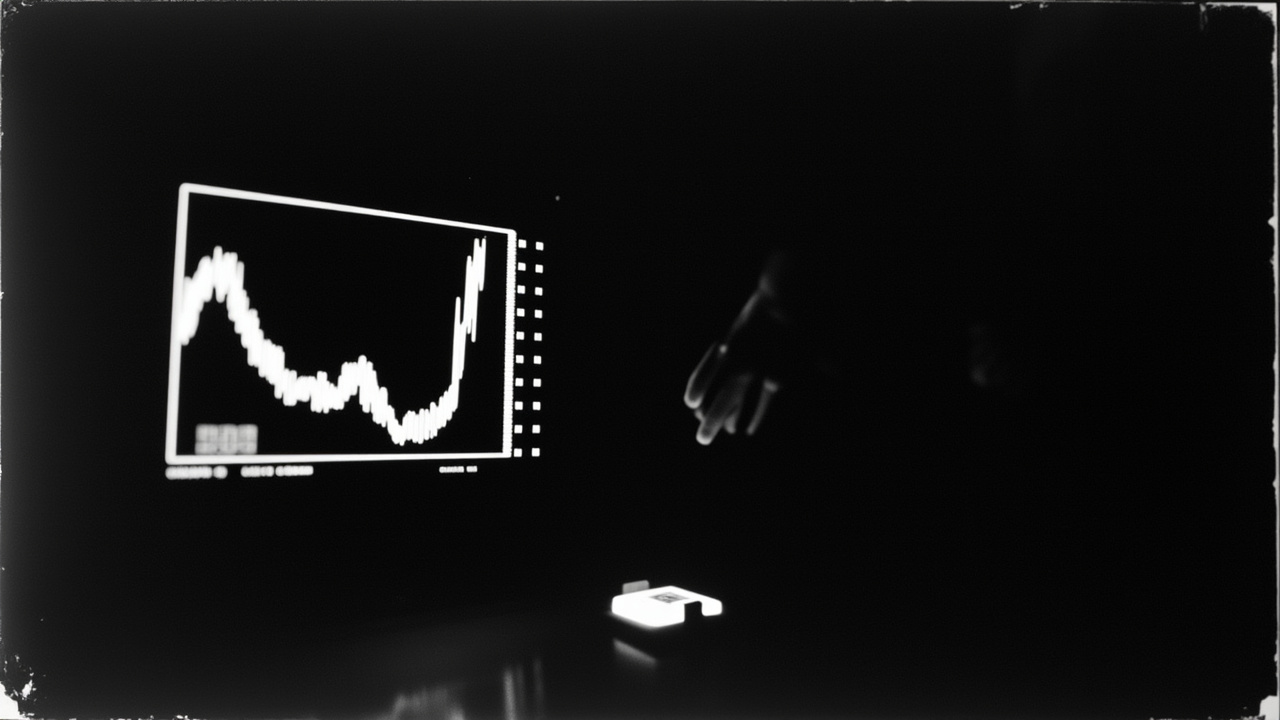
A baccarat pattern betting approach starts with the road maps that sit beside the shoe. The bead road records each winning side, the big road tracks pairs and singles, and the derived roads attempt to compress the same history into smaller shapes. None of them predict the next hand. They simply let a player notice whether the table has been leaning toward banker, player, or ties over the last stretch of cards. The usefulness is in pacing: a player who notices a long run of banker results can decide whether to follow it, fade it, or simply stop placing bets until the shoe resets.
From a live operations standpoint, the table needs to present those roads without clutter. I have directed UE5 cinematics where the same principle applies: when a viewer is asked to track a fast-moving sequence, the composition has to keep the important information legible and the noise down. A baccarat table that overwhelms the road maps with flashing markers, exaggerated streak highlights, or animated celebrations is not helping a pattern player think. It is selling a feeling. The better setup shows the history cleanly, keeps the next bet area visible, and lets the player make a decision without negotiating the interface first.
That matters because pattern betting is a pacing tool, not a forecasting tool. A player who treats a repeat streak as a reason to press harder is using the road backwards. A player who uses it to decide when to reduce stakes, skip a hand, or walk away is using it the way a creative lead uses a shot list: as a record of what has already been filmed, not as a guarantee of what the next frame will contain.
Where Pattern Reading Meets Real Limits
The limits are where pattern betting stops being a neat idea and becomes a test of discipline. Shores are finite, the cut card ends the round, and the dealer does not care whether your road map says the next hand should break a streak. A pattern player has to accept that the shoe can do anything once the cards are dealt, and that a road map is a record of the past, not a contract for the future. That is the part most marketing glosses over, and it is the part I weigh most heavily when I judge whether a table is built for serious play or for impulse chasing.
The Kakavas case tested a casino’s responsibility to a problem gambler, and it remains a useful reminder that a pattern system can be used well or badly depending on the person behind it. The case did not turn on whether a road map was persuasive. It turned on whether a venue and a player both understood the boundary between entertainment and harm. That boundary is exactly where pattern betting sits. A player who uses the roads to slow down, vary stakes, and exit on a planned point is using the system as intended. A player who treats every repeat as a reason to reload is using the same roads as fuel.
Victoria introduced mandatory carded play and load-up limits as part of pokie reforms, and that regulatory posture is relevant even though baccarat is a table game rather than a machine. The broader point for an Australian player is that the environment around betting is changing, and pattern betting has to survive inside that environment. A road map does not override load limits, session tracking, or the simple fact that a busy Melbourne afternoon can turn a calm reading session into a rushed one if you are trying to squeeze in a few hands between other plans. The pattern player who survives is the one who builds the session around limits first and the road second.
Payments, Verification, and the Cashier Side of Pattern Play
The review focus lands hardest on the cashier because pattern betting tends to produce more small decisions than one big bet, and that rhythm changes how a player uses deposits, withdrawals, and verification. A player who is reading roads and adjusting stakes every few hands needs a payment flow that does not interrupt the session with friction, but also does not make it too easy to keep feeding the shoe without noticing. That balance is where a baccarat pattern betting setup earns or loses trust.
The practical process a player goes through looks like this: open the cashier, choose a payment method that matches the currency you are playing in, set a deposit amount that fits the session plan rather than the road in front of you, complete verification if the site asks for it, place the first bet, and then decide in advance where a withdrawal or a stop-loss point will sit before the shoe ends. That sequence is not glamorous, but it is the part that keeps pattern betting from turning into a payment loop.
Daniel Collins has pointed out that the payment trail around pattern play is often more revealing than the betting trail itself, because frequent small top-ups can hide a session that has drifted away from its original plan. His view is not that deposits are bad. It is that a pattern player should be able to see the payment flow as part of the same discipline as the road map. If the cashier is easy to use but hard to step back from, the table is not really serving the player’s strategy. If verification is clear, currencies are obvious, and withdrawal timing is stated plainly, then the player can treat the road as a pacing tool instead of an excuse to keep reloading.
Overseas raiders increasingly contest and win the Melbourne Cup, and that fact is a useful local reminder that competition and outside pressure can change the shape of a game night quickly. For a baccarat pattern betting player, the equivalent pressure is the temptation to treat a live table like a race you have to keep up with. You do not. The road is there to help you read the shoe, not to make you chase it. The cashier should support that choice, not work against it.
A good setup keeps the payment side aligned with the same discipline as the table side: clear currencies, honest limits, straightforward verification, and no illusion that a winning road makes the next deposit safer. That is the standard I apply when I judge whether a baccarat pattern betting experience is built for a player who wants to think, or for a player who wants to be carried.
Baccarat pattern betting works best when it is treated as a way to organise your attention, not as a way to outguess the shoe. The roads can help you pace your bets, notice when a table has shifted, and decide when to step back, but they cannot remove the ordinary realities of limits, verification, and the fact that every hand is still a fresh deal. If you want to use pattern betting seriously, build the session around the cashier and the stop point first, then let the road map sit where it belongs: beside the table, not above it.